An agreement provides opportunities, not a finished plan
When a company chooses to partner with a club, a federation, or another sports property, there are often good reasons behind the decision. Sports can provide a natural entry point into a local business community, make it possible to reach new target groups, or create contexts where existing customer relationships can be developed. These are opportunities that can be difficult to create through other marketing channels. But that does not mean the value is generated automatically once the agreement is signed.
A partnership agreement usually describes the rights and opportunities included. However, it does not always say enough about how they should be used in the company's day-to-day operations. Arena exposure, access to a business network, or the opportunity to produce content together with a property are fundamentally different tools. For them to become relevant, someone needs to translate them into a plan based on the company's operations and the goals it actually wants to achieve.
Someone needs to coordinate the big picture
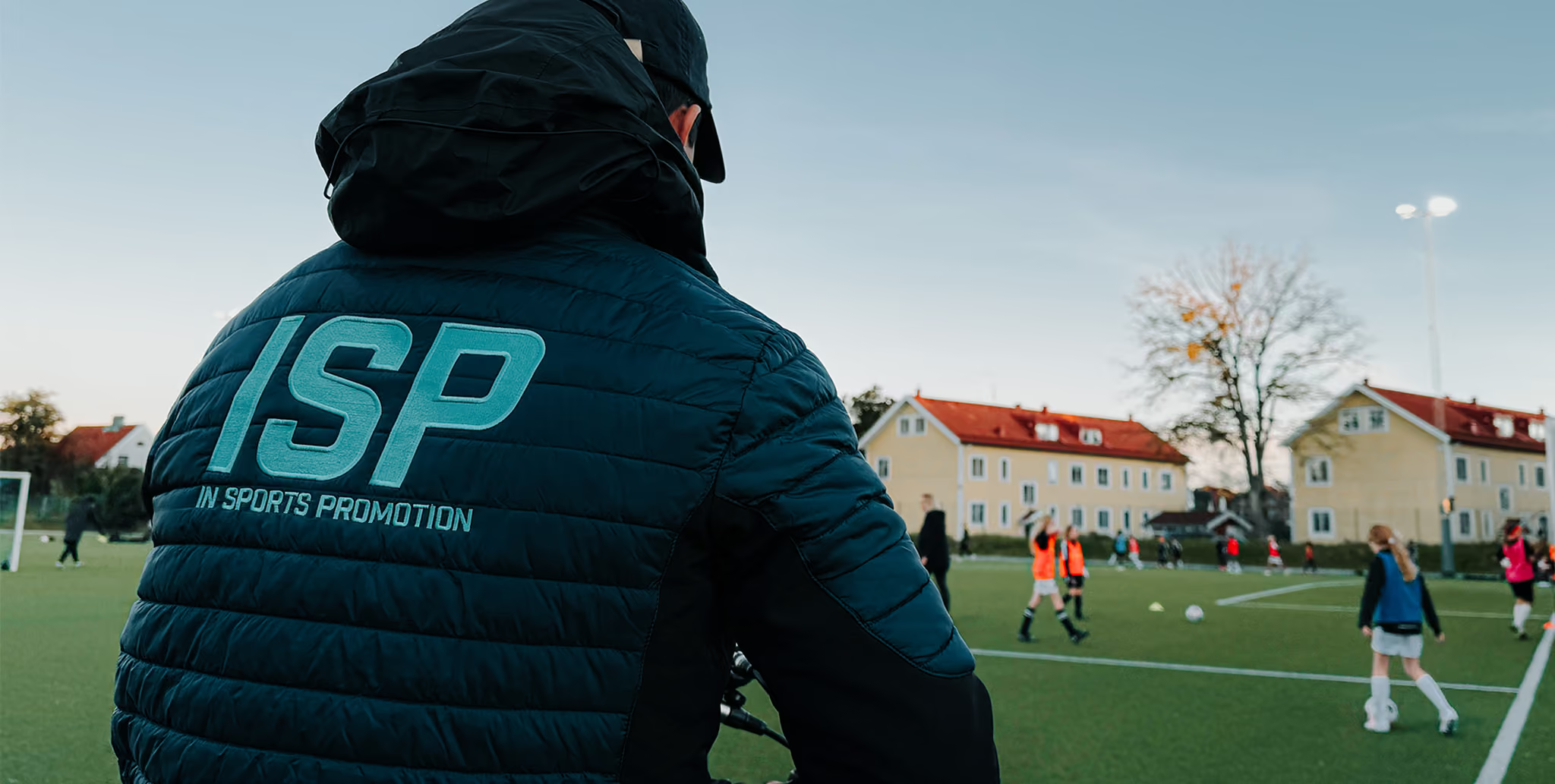
In our work at ISP, we see how important it is for marketing, sales, and the relevant property to understand each other's conditions. If the marketing department plans communication in isolation, the sales department is unaware of the partnership's opportunities, and the property lacks insight into the company's goals, there is a high risk that activities will become isolated efforts without a clear direction.
This does not mean that every activity must lead directly to a sale. Some efforts should build awareness, others create relationships or provide a reason to start a conversation. But it must be clear what role the activity plays and how it connects to other parts. This makes it easier for everyone involved to contribute, whether it involves a customer event, a film production, or presence in a business network.
From property to relevant activity
We believe that planning should start with a few quite concrete questions. Who does the company want to reach? What do you want them to do or experience? Which parts of the partnership provide the best conditions for success? Based on that, you can determine which activities are relevant and how they should be implemented.
A company looking to create new contacts in a specific location might benefit more from a well-planned meeting in the property's network than from another campaign. A company that needs to strengthen its awareness among a certain target group might instead get better results from content based on the people and stories within the sport. The point is not that one is better than the other, but that the property must be used based on the company's needs.
A collaboration that continues to evolve
Once the activities have been carried out, you also need to take the time to follow up on what worked and what should be done differently. Those lessons become particularly valuable in collaborations that span several years, where relationships and knowledge of target groups can be built up gradually. What was right for the first season may not be right for the next.
At ISP, we work to create that connection between the company's business, the opportunities in sports, and the practical implementation. For us, it is an important part of developing collaborations that last over time. A good agreement provides the conditions, but it is the people, the planning, and the work that follows that determine what you get out of it.