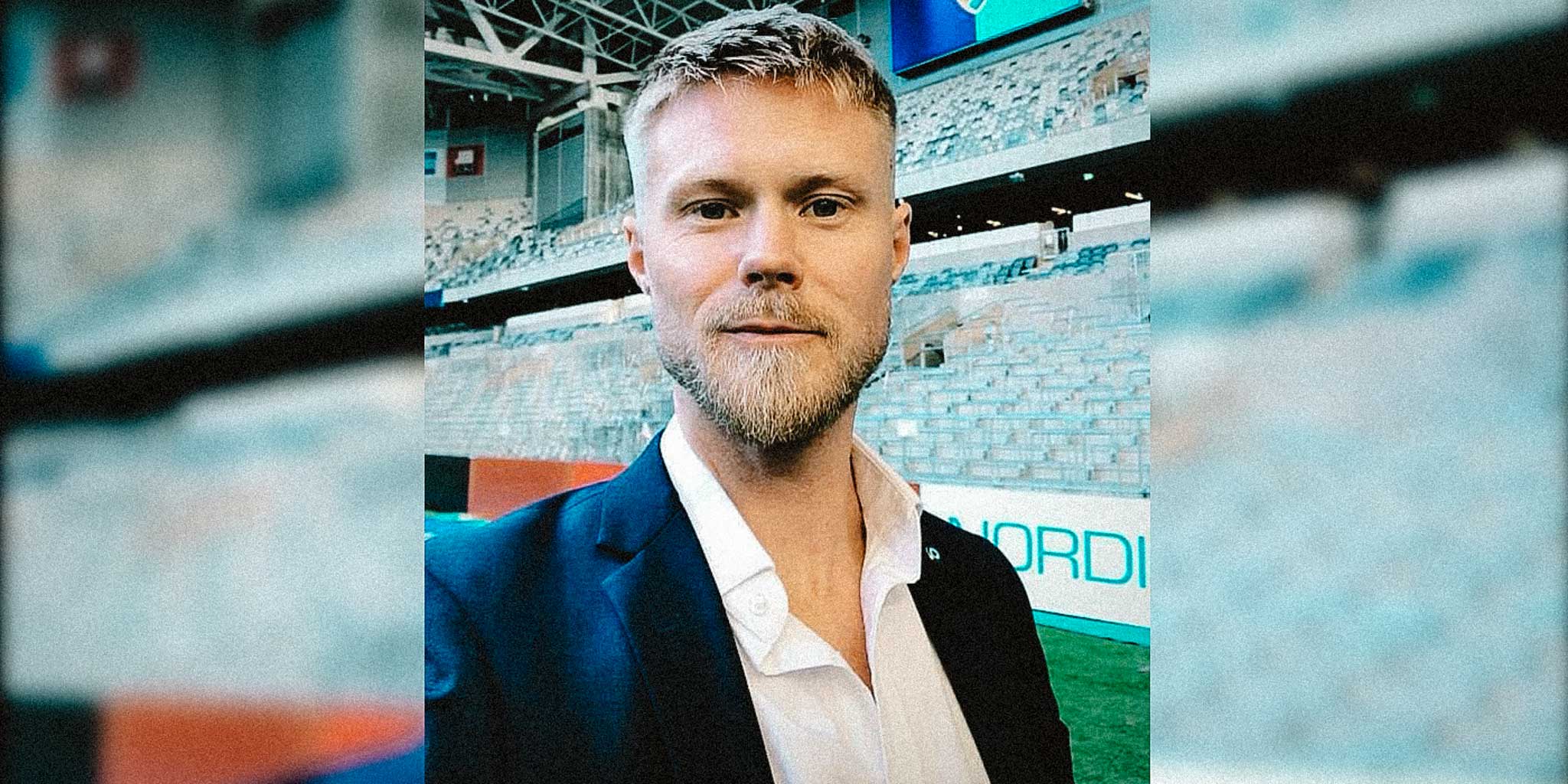
Where do you think the greatest untapped potential in sports marketing lies today?
– I think there is significant untapped potential in developing partnerships from being primarily about exposure and rights to actually creating business opportunities and relationships. At Djurgården Fotboll, we work a lot with exactly that through our business network, DIF BUSINESS. We have a fantastic asset in bringing together a wide range of companies and decision-makers around a shared passion, but I think we can become even better at understanding what each partner actually needs to develop their business and then use Djurgården’s platform to help them achieve that.
– It can be anything from creating the right meetings between two companies to using a match, an event or a trip as a platform for new business opportunities. To me, that is where the greatest potential lies – the partnership should not just be something you buy, but something you actually use.
What role do events and meetings play in creating more value in a partnership?
– I would say it is one of the most important parts. A great deal of the real value is created when people meet. A match is fantastic in itself, but it becomes even more valuable when we can use it as a platform for building relationships between our partners. That is why we try to think beyond the matchday itself and create different types of meeting places – networking events, events, trips and other activities.
– As the person responsible for partnership delivery, a big part of my job is making sure that the partner actually gets the value we have talked about. And often, it is not about creating the biggest or most spectacular activity, but about creating the right meeting between the right people. When a partner leaves an event thinking, “I would never have been able to make that meeting happen otherwise,” that is when I think we have succeeded.
Looking a few years ahead, what do you think will change the way companies invest in sport?
– I think companies will place greater demands on tangible value and measurability. It will no longer be enough to say that a company has appeared on a sign or had its brand visible in an arena. They will want to understand what the partnership has actually contributed – in terms of business, relationships, brand, employee engagement and customer relations. At the same time, I think sport has an enormous advantage in this regard. We have something that many other marketing channels struggle to create – genuine emotions and genuine human connections.
– I therefore believe that the partnerships of the future will be much more about combining the digital and data-driven with the human. We can use data to understand a partner’s needs and measure the results, but ultimately, people still do business with people. And that is where I believe sport has a very strong position going forward.






.jpg)






comp.jpg)


.jpg)
